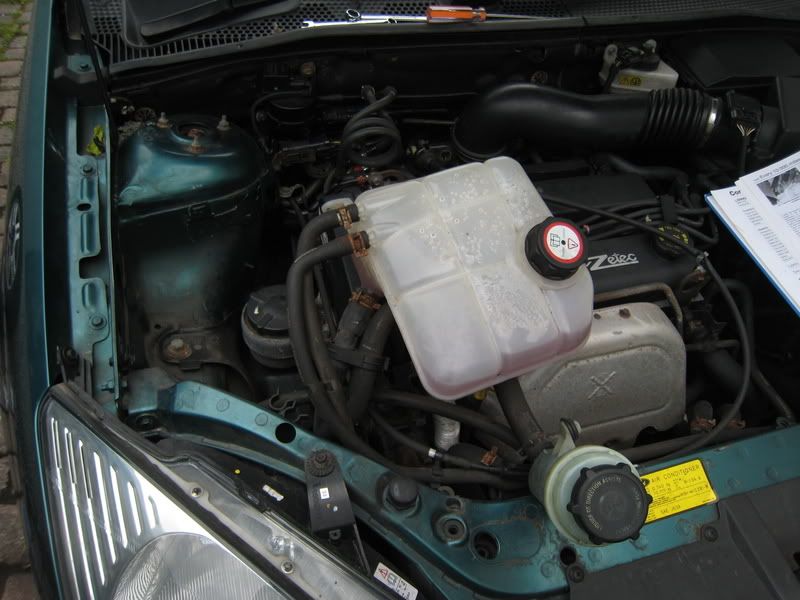
The car had had difficulty starting and despite a change of plugs and checking the HT leads, it was persistent. Once the car did start, it would often rev at 2000rpm without dropping back to idle speed. I also noted that the engine started perfectly if I pressed on the accelerator pedal slightly whilst turning the key.
All this suggested the idle speed control valve required replacing. The idle speed control valve lets extra air into the engine as a means of controlling idle speed independently of the throttle. The problem is that over time, the oil mist that is fed from the breather pipe at the top of the engine into the inlet manifold causes an oily build up and this can cause the idle control valve to be sticky. This would explain why the engine struggles to start (valve is temporarily stuck in the closed position) and then revs at 2000rpm once started (stuck in the open position). I bought replacement gaskets, components, etc. and gave it a go.
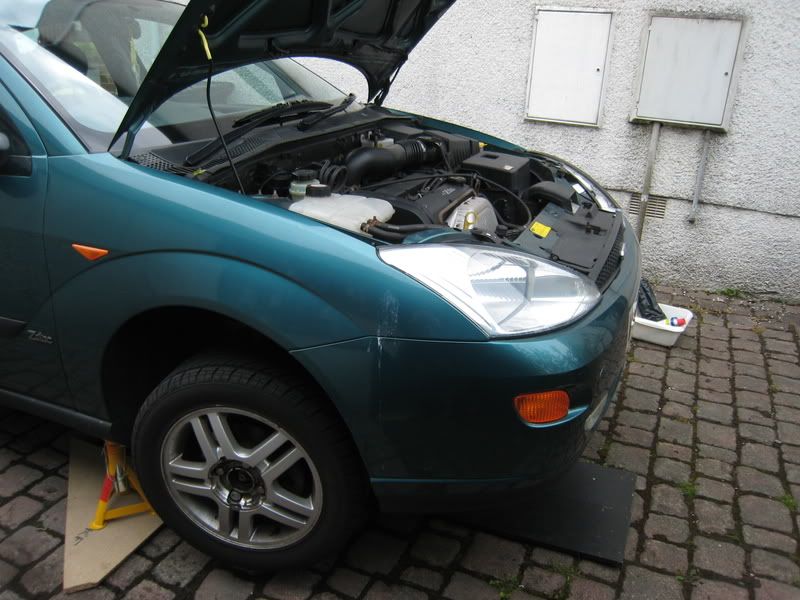
The main problem is that the idle speed control valve is bolted onto the inlet manifold in such a way that it is really awkward to get at. I decided to remove the inlet manifold which meant jacking the car up to get access to the manifold bolts.
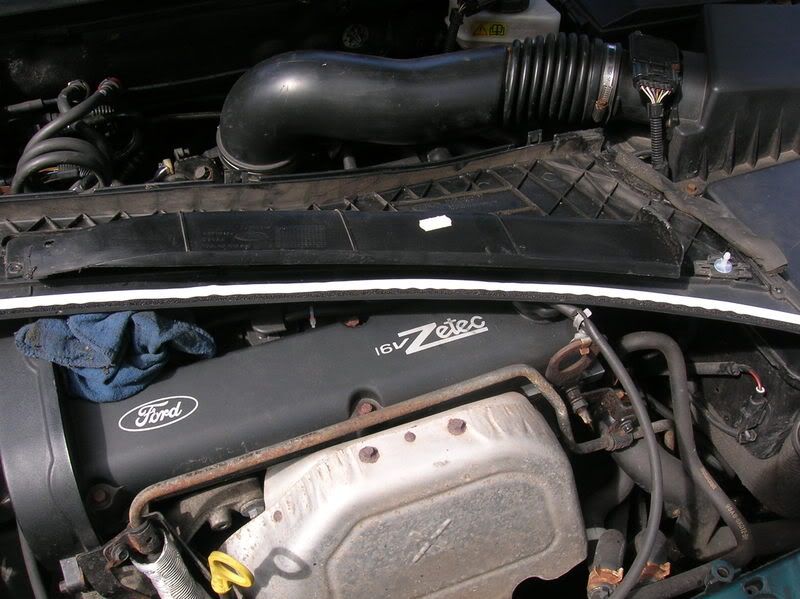
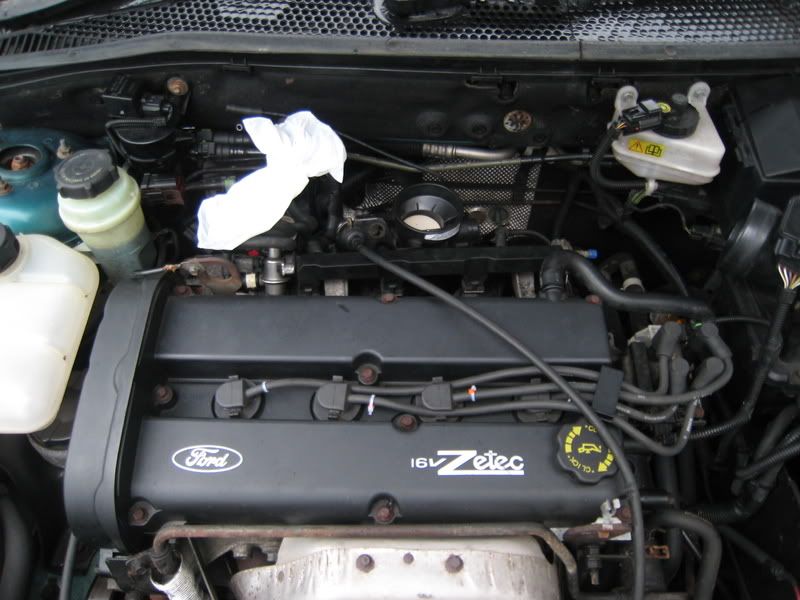
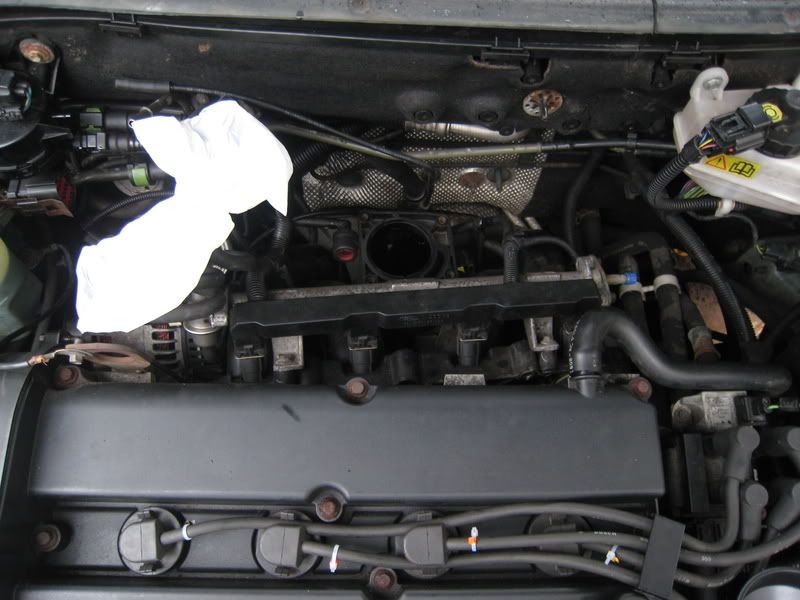
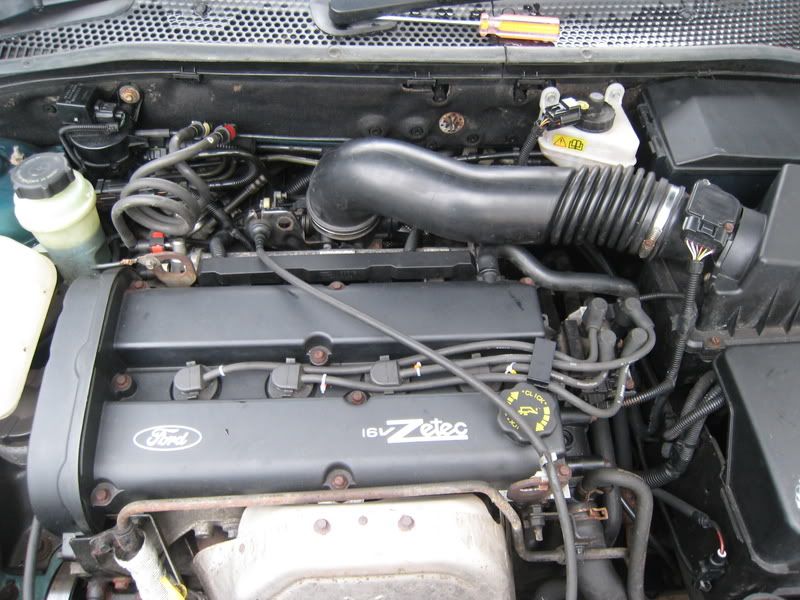
Here you can see I've removed the inlet pipe from airbox to throttle. I have also removed the fuel lines and wrapped them up in a bag. Reason being that the fuel rail is an integral part of the manifold and is not something I want to disturb. Before removing the fuel connections, I had to depressurise the fuel system which is achieved by removing the fuel pump fuse from the fusebox, then turning the engine over on the starter for 15 seconds.

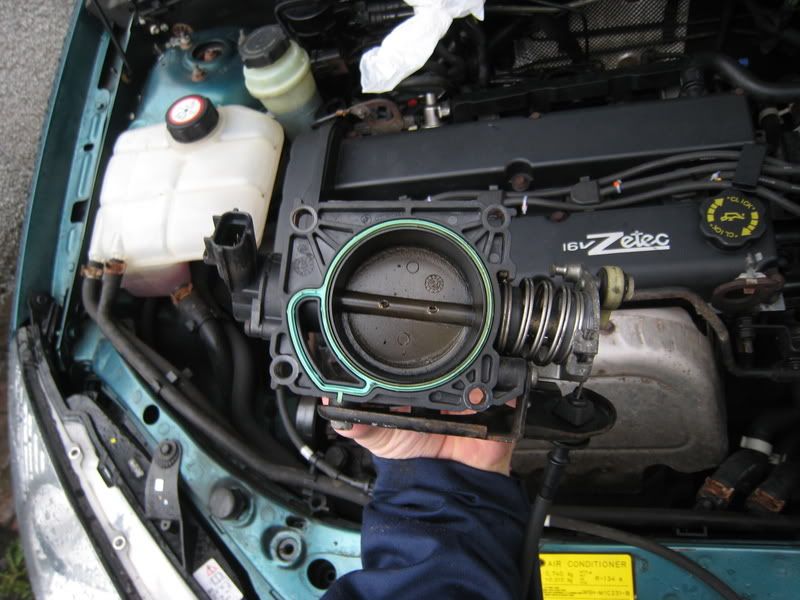
Space was really tight so I removed the throttle body at this point to gain better access. This was something I had been planning to do anyway, so I had the correct replacement gasket.

So here is the throttle body. I doubt it had ever been disturbed before. I gave it a light clean but did not use solvents because it has a special coating on it which I did not want to remove.

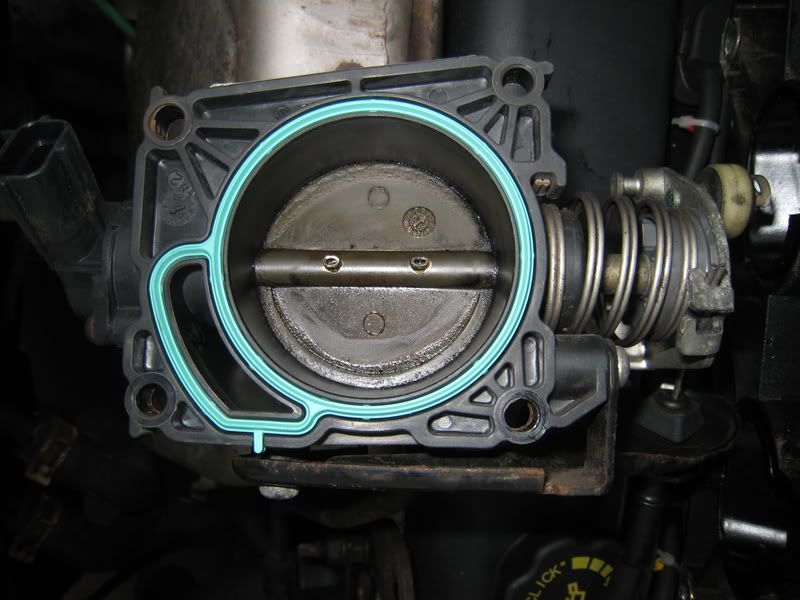
Here is a picture with the replacement gasket in place. It is quite obvious how the 'rubbery-ness' of the gaskets deteriorates over time.

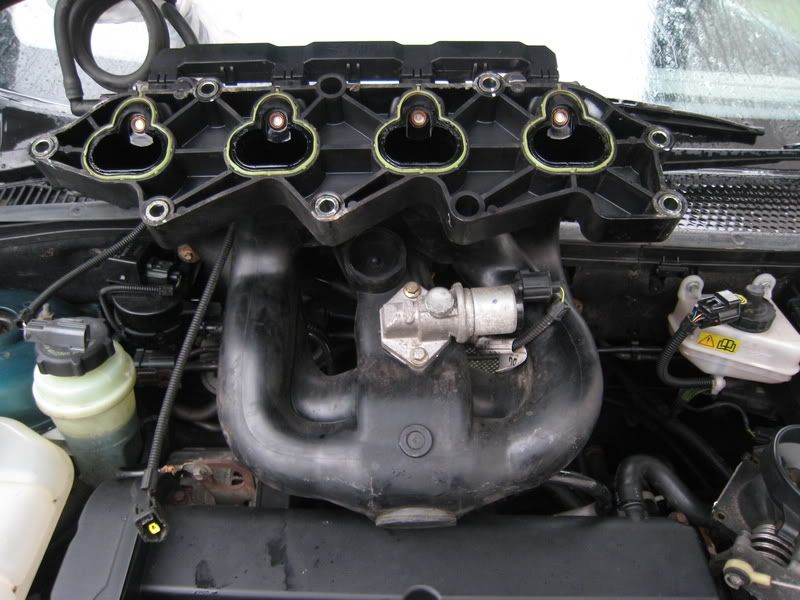
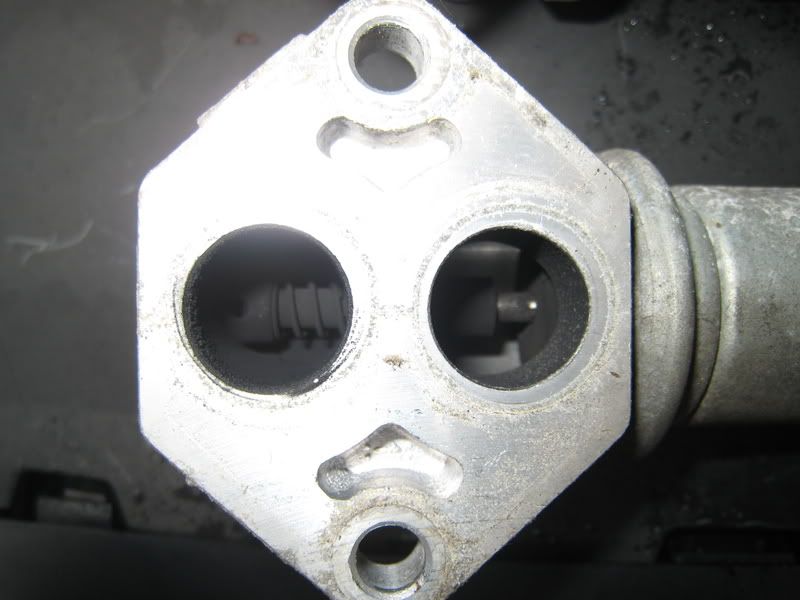
So, having undone the bolts and various sensor connections, I am able to remove the inlet manifold. You can clearly see the idle speed control valve now, and also the oily residue that builds up over time.

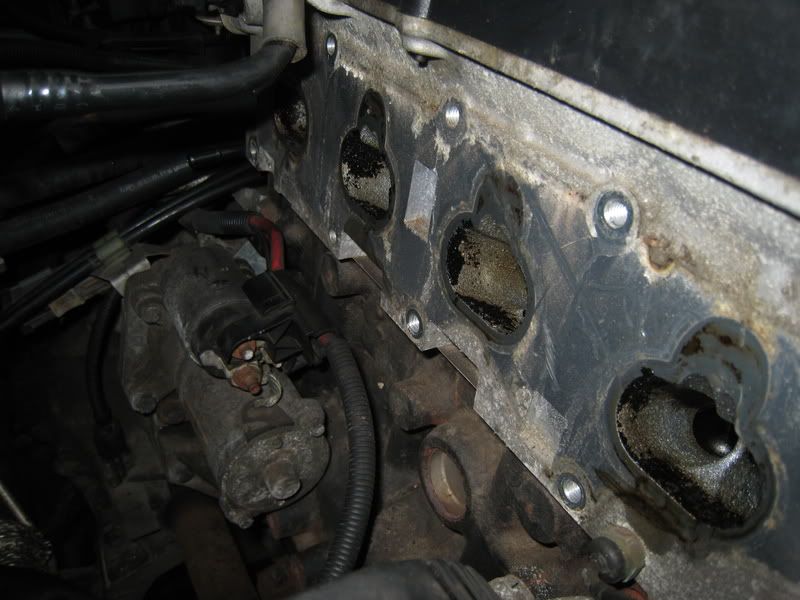
I decided I may as well clean the manifold while I am at it. You can see the mank that comes off. I also cleaned the slots for the gaskets.

So here is the cleaned manifold. I would not really expect a performance boost from this, it is more of an ocd type thing.

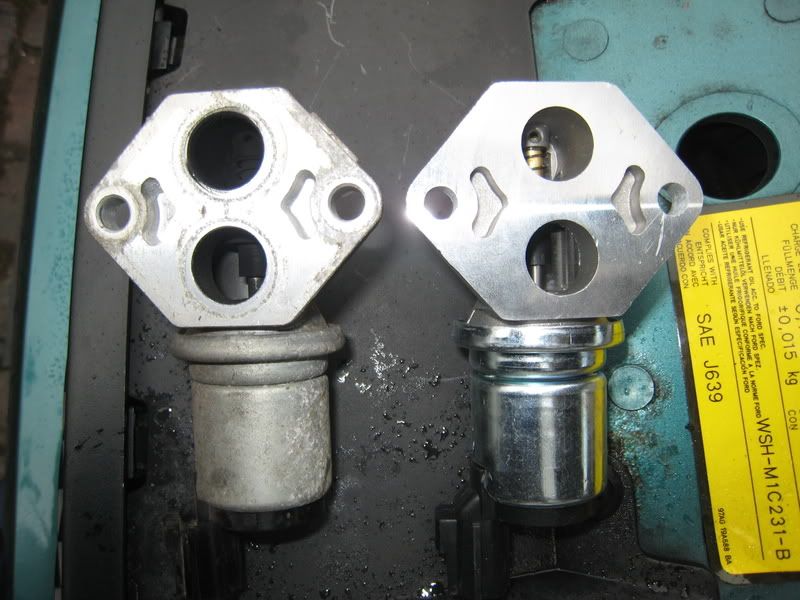
Idle speed control valves, it is not difficult to tell which is the old and which is the new.

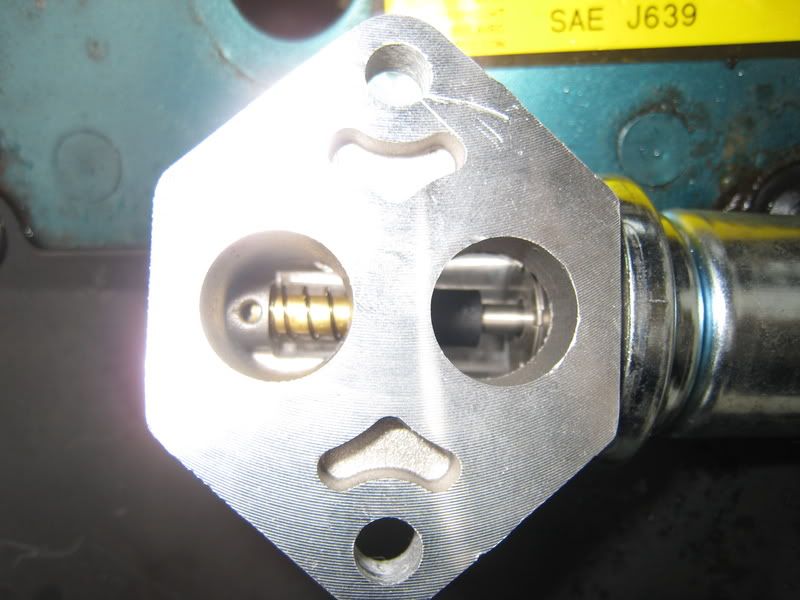
Close up of the new valve, and the clean bore.

Close up of the old valve. Rather than oily residue it appears coated in carbon. Perhaps a build up of exhaust fumes from being stuck in traffic or something. Eitherway, the valve is manky.

Here we are with the shiny new valve secured on to the inlet manifold.

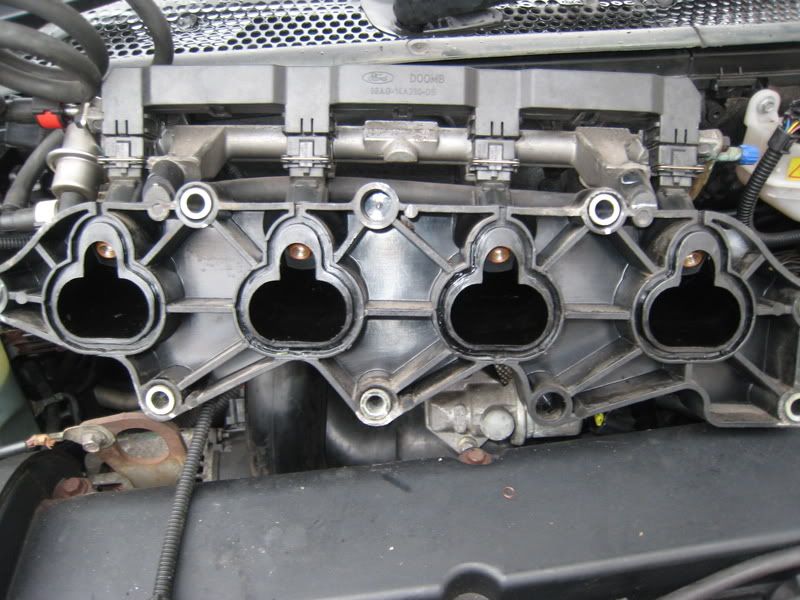
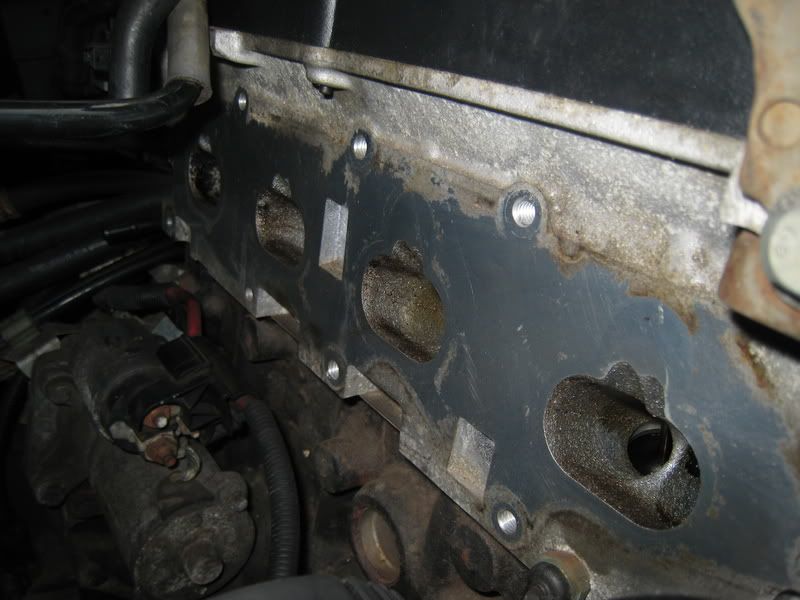
Now I turn my attention to the cylinder head. The removal of the inlet manifold has revealed a dirty mating face. This does need cleaning before refitting the manifold. Wiping most of the dirt away with a sheet before final cleaning using acetone.

Here is the cleaned head. You can clearly see the condition of the stock inlet ports. That rough surface is the result of the component being sand cast. A performance boost would be achieved by smoothing the ports but that is not something I am capable of or particularly interested in.

Put everything back in place and it should look like this:

Before starting, there is plenty to check. Lots of sensors were disconnected during this process, they must all be checked to ensure they are back in place. The fuel lines must be put back in place and checked to make sure they are secure. The fuel pump fuse must also be replaced and the car lowered to the ground.
Starting it up for the first time was nerve-racking but it has been fine since, no more revving to 2000rpm.